Part of our field series on equipping environmental remediation projects. See also: 10 Massive Environmental Projects Reshaping America
Ask any remediation project manager where the budget went and you will rarely hear about one catastrophic failure. You will hear about a dewatering pump that was one size too small, an excavator that sat idle for three weeks waiting on lab results, a decon pad that had to be rebuilt after the first heavy rain, or a fuel bill nobody planned for.
Environmental remediation is different from general construction. Site conditions are uncertain until you open the ground, the work is regulated at every step, and a schedule can stall on a sampling result rather than on production. That uncertainty makes equipment one of the biggest swing factors in a remediation budget, and one of the easiest places to lose margin quietly.
Here are the five equipment mistakes we see most often on remediation, Superfund, brownfield and sediment cleanup projects, and what experienced contractors do instead.
Mistake #1: Sizing Equipment for the Bid, Not for the Site
Equipment plans usually get built at bid time, from a site characterization report and a few boring logs. Then the excavation opens and the site tells a different story: groundwater sits higher than expected, the contaminated soil is wetter and heavier, or the debris is more varied than the borings suggested.
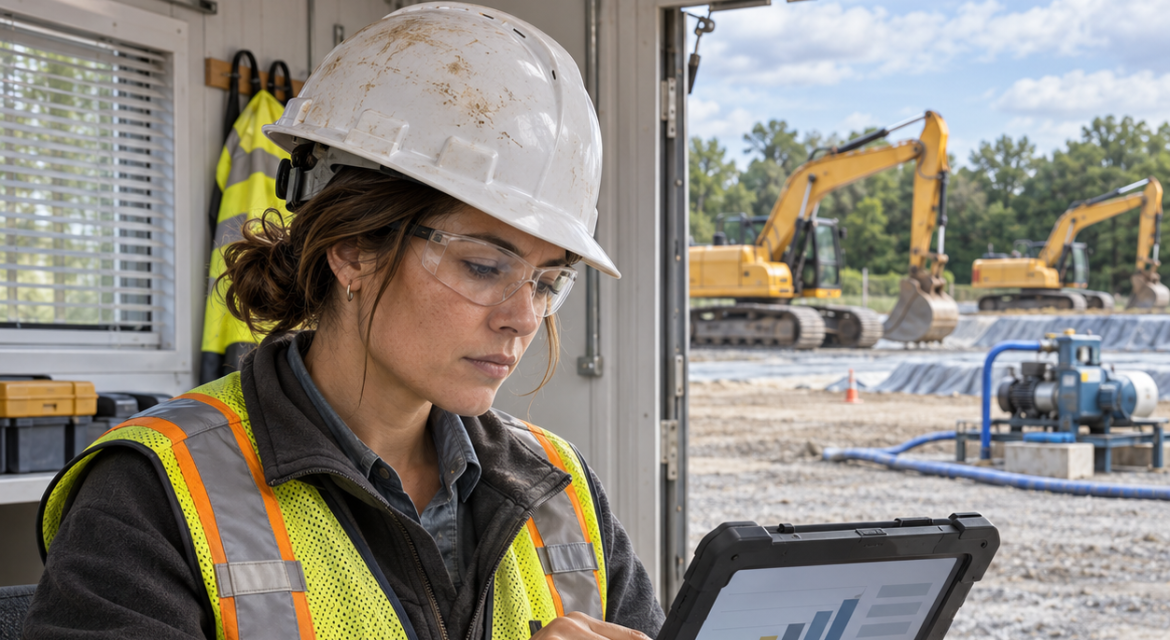
The most common casualty is water management. A dewatering setup sized for average inflow will not keep up after a storm or when the excavation reaches a more permeable layer. Undersized pumps lead to flooded cells, standby crews and, in the worst case, a discharge that triggers a compliance problem. Treatment trains, frac tanks and filtration units follow the same pattern: if the volume assumption is wrong, the whole water system is wrong.
How to avoid it: plan equipment in tiers. Identify the base package you need on day one, then identify the equipment you will need if conditions are worse than expected, such as a second pump, an extra frac tank or a larger filtration skid. Line up where that equipment will come from and how fast it can arrive before mobilization. A rental partner that can scale the package up or down quickly is worth more on a remediation job than a slightly lower day rate.
Mistake #2: Paying for Iron That Isn’t Working
Remediation schedules are full of pauses: waiting for confirmation sampling, waiting for an agency sign-off, waiting for a disposal facility to accept a load. Every pause leaves rented equipment parked on site and accruing cost.
Idle time is easy to miss because it is spread across many machines and many short gaps. A loader that sits two days a week, an excavator waiting on a sampling window, a light tower running all night over an empty cell. None of those feels like a budget problem on its own. Together they can add up to a significant percentage of the equipment line.
How to avoid it: track actual utilization, not just what is on rent. Telematics data, engine hours and daily equipment logs show which units are working and which are only parked. Review it weekly and off-rent or swap out the underused units. If you want to see how that works in practice, we walk through it in Beyond the Dashboard: How Telematics Data Actually Gets Used on a Job Site.
Mistake #3: Forgetting That Contaminated Sites Are Hard on Equipment
Equipment that works in contaminated soil, sediment or sludge does not come back the way it went out. Tracks, undercarriages, buckets and hydraulics take more abuse, and every machine that leaves the exclusion zone has to be decontaminated first. That means decon time, decon water, a properly built decon pad and, sometimes, cleaning or damage charges when the unit goes back to the rental yard.
Teams that plan the machine but not the decon end up paying for it twice: once in lost production while equipment waits to be cleaned, and again at off-rent when the rental company bills for cleaning or wear that was never in the budget.
How to avoid it: build decontamination into the equipment plan from the start. Budget decon pads, pressure washers, water capture and handling, and the labor hours to run them. Ask your rental provider upfront how they handle equipment used on contaminated sites, what condition standards apply at return, and whether wear packages or protective options are available. Clear expectations at mobilization prevent arguments at demobilization.
Mistake #4: Treating Site Support as an Afterthought
The excavators and haul trucks get the attention, but remediation projects run on a long list of supporting equipment and services: office and storage trailers, sanitation, temporary power, lighting, fencing, fuel, water, laydown space, and the safety equipment that keeps workers protected in and around the exclusion zone.
When those items are sourced late, piecemeal or from a different vendor every time, the costs pile up: rush delivery fees, minimum rental charges, duplicate mobilizations, and supervisors spending hours on the phone chasing vendors instead of running the work. Missing a piece of the site support picture can also hold up the start date entirely.
How to avoid it: treat site support as part of the equipment plan, not a separate shopping list. Consolidating it reduces vendor count, simplifies invoicing and gives you one point of contact when something needs to change. Services like a turnkey laydown yard and safety-as-a-service exist precisely so the project team can stay focused on the cleanup itself.
Mistake #5: Buying Fleet Your Company Will Only Use Once
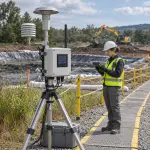
Remediation work often calls for specialty equipment: long-reach excavators for sediment, amphibious units, specific pumps and treatment systems, air monitoring, or equipment configured for a particular contaminant. Buying that equipment for one project ties up capital, adds maintenance and storage cost, and leaves the company owning a machine that may not fit the next job.
For growing contractors and small businesses the problem is sharper. A big federal or state remediation award can require far more equipment than the company owns. Stretching the existing fleet across too many jobs creates its own risk: breakdowns with no backup, crews waiting on machines, and service levels slipping on other projects.
How to avoid it: own the core fleet you use every week and rent the rest. Equipment rental and fleet management lets you match the fleet to each project, scale up for a large award, and send equipment back when a phase ends. Where your crews are already stretched, operated equipment can add capacity without adding headcount.
The Common Thread: Plan for Uncertainty
All five mistakes share a root cause. Remediation sites are uncertain, and equipment plans built as if they were not will break when conditions change. The contractors who protect their margins do a few things consistently:
- They plan equipment in tiers, with a known path to more capacity if conditions are worse than expected.
- They track utilization weekly and send idle equipment back.
- They budget decontamination, wear and return conditions upfront.
- They treat site support, safety and logistics as part of the equipment plan.
- They rent specialty and surge equipment instead of buying it for one project.
Regulatory requirements matter here too. Worker protection on hazardous waste sites falls under OSHA’s Hazardous Waste Operations and Emergency Response (HAZWOPER) standard, and many of the largest cleanups are managed under the EPA Superfund program or state and EPA brownfields programs. Equipment decisions that affect worker exposure, air monitoring or water discharge are compliance decisions, not just cost decisions.
Where Small-Business Partners Fit
Many federal, state and utility remediation contracts also carry small-business participation goals. Equipment rental, site services and logistics are practical, real scopes of work that a certified small business can perform with a commercially useful function, which makes them a natural fit for primes building an SBE or set-aside strategy. We cover that side of the equation in Beyond the Top 10: SBE Fulfillment.
For small and mid-sized contractors, the same approach works in reverse: a rental and site support partner lets you bid larger remediation projects with confidence, because the equipment plan can grow with the award instead of being capped by what you own today.
Frequently Asked Questions
Is it cheaper to rent or buy remediation equipment?
For core equipment you use every week, ownership can make sense. For specialty, surge or contaminant-specific equipment used on one project, renting is usually cheaper once you factor in capital, maintenance, decontamination, storage and resale.
What equipment is most often undersized on remediation projects?
Water management equipment, including dewatering pumps, frac tanks and filtration or treatment systems, is the most common. Inflow and storm volumes are hard to predict until the excavation is open.
How do you reduce idle equipment costs on a remediation site?
Track real utilization with telematics or daily logs, review it weekly, and off-rent or swap units that are not working. Coordinate equipment needs with the sampling and approval schedule so machines are not waiting on results.
About Nimble Managed Services
Nimble is a government-certified small-business set-aside partner providing managed services to construction, engineering, environmental, federal and infrastructure contractors.
Nimble currently lists certifications including WOSB, EDWOSB, HUBZone, SDB, DBE and SBE, along with additional state and utility certifications. Its managed-service capabilities include equipment rental and fleet management, turnkey laydown yards, subcontract management, site services, construction technologies, sustainability support and compliance consulting.
Learn more about Nimble’s Small Business Advantage
Planning a remediation project? Let’s talk through the equipment and site support plan before it’s locked in. Start a conversation with the Nimble team.