Skyscrapers and stadiums tend to grab the headlines, but they’re not where the biggest construction dollars are going right now. Some of the largest projects underway in the U.S. are reservoirs, flood-control systems, contaminated-river cleanups, drinking-water facilities and ecosystem-restoration efforts — work that rarely makes the front page but reshapes entire regions.
Federal agencies, cities, utilities, engineering firms and environmental contractors are leading these efforts, and the price tags often run into the billions. Many of these projects blend heavy civil construction with environmental remediation, water management, engineering, regulatory compliance and long-term monitoring, which means they can take years — sometimes decades — from first shovel to completion.
We compiled the data below after years of hands-on work in these fields, and we wanted one place to see how the ten stack up. A quick note on the numbers: they’re not a strict apples-to-apples comparison. Some published costs are full project budgets, others are selected-remedy estimates, and Hanford’s figure reflects a remaining lifecycle cleanup estimate. We’ve flagged that distinction in the table below so you can compare responsibly.
At a Glance
| Project | State | Category | Published Cost | Cost Basis | Status | Target |
|---|---|---|---|---|---|---|
| Hanford Site Environmental Cleanup | Washington | Major Remediation | $353.6B baseline / $578.6B high range | 2025 remaining lifecycle cleanup estimate | Active | Multi-decade |
| Everglades Agricultural Area Reservoir | Florida | Restoration & Protection | $3.9B | CEPP EAA phase estimate | Active construction | 2029 |
| Fargo-Moorhead Area Diversion | North Dakota / Minnesota | Flood & Coastal Resilience | $3.2B | Overall project budget | Near completion | Operational 2027 |
| Bull Run Filtration Project | Oregon | Water Infrastructure | $2.46B | Current filtration project funding | Active construction | 2029 |
| Gowanus Canal Superfund Cleanup | New York | Major Remediation | $2B+ | Overall cleanup plan estimate | Active cleanup / CSO work | Multi-year |
| East Side Coastal Resiliency | New York | Flood & Coastal Resilience | $1.45B | Fully funded project budget | Active construction | 2027 |
| Lower Passaic River / Diamond Alkali Cleanup | New Jersey | Major Remediation | $1.38B | Selected remedy estimate | Engineering / enabling work | Multi-year |
| Brandon Road Interbasin Project | Illinois | Restoration & Protection | $1.15B | Overall project estimate | Construction | Multi-phase |
| Portland Harbor Superfund Cleanup | Oregon | Major Remediation | $1.05B | Selected remedy estimate | Remedial design | Major action est. 2027-28 |
| Lower Duwamish Waterway Cleanup | Washington | Major Remediation | $668M | 2026 settlement / cleanup value | Active cleanup | 10+ years |
Category 01
Major Environmental Remediation
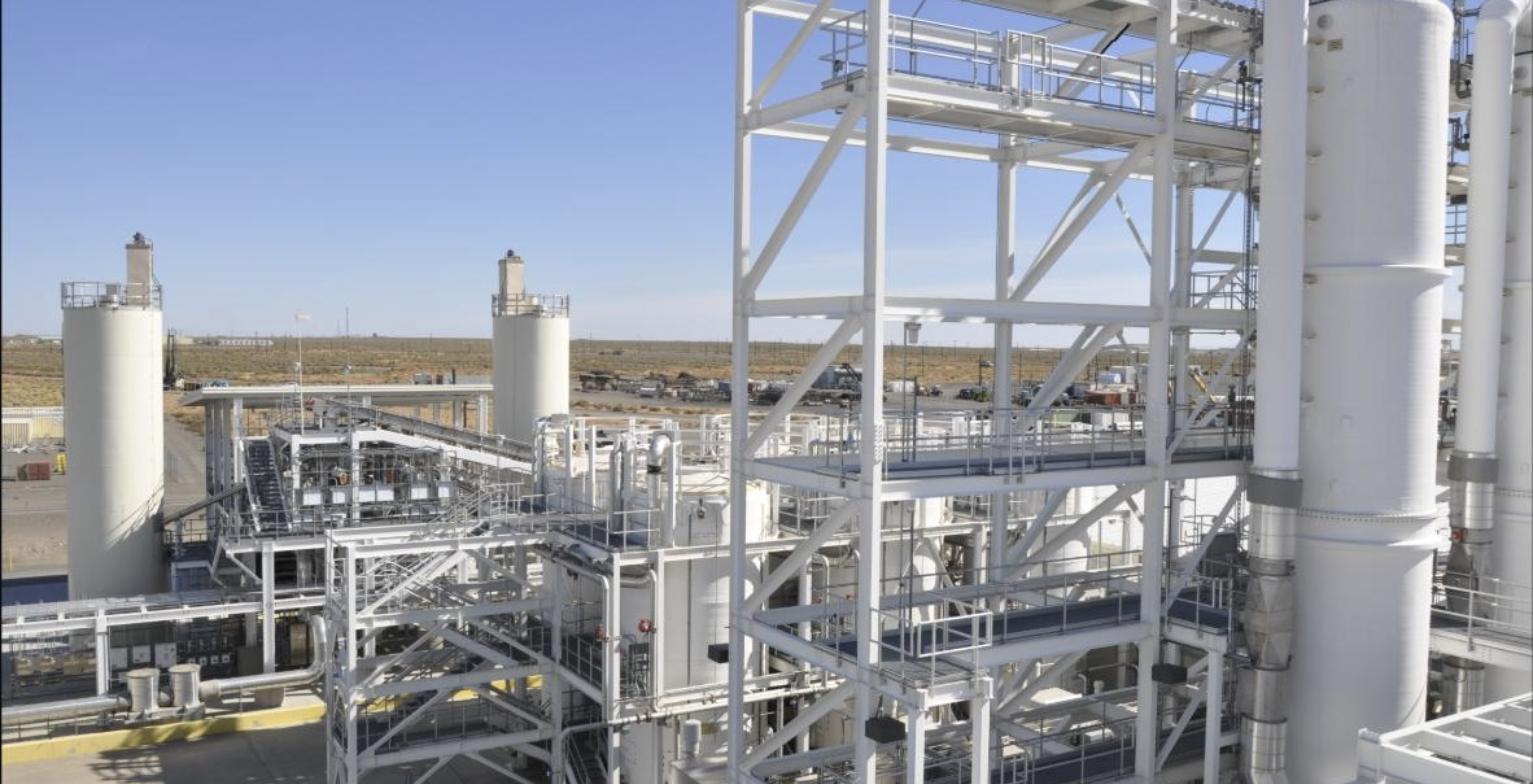
Photo: U.S. Department of Energy
Washington
Hanford Site Environmental Cleanup
Hanford is in a category of its own. The 580-square-mile former plutonium-production complex remains one of the largest and most technically difficult environmental cleanups in the world. DOE’s 2025 lifecycle planning places the remaining baseline cleanup cost at about $353.6 billion, with a high-range estimate of $578.6 billion. Work spans radioactive tank waste, contaminated groundwater, aging facilities, waste treatment and long-term site stewardship.
Why it matters: The scale is not just financial. Hanford’s cleanup mission is expected to continue for decades, making it a rare example of a project where environmental remediation, industrial decommissioning, engineering, construction and long-term operations all overlap.
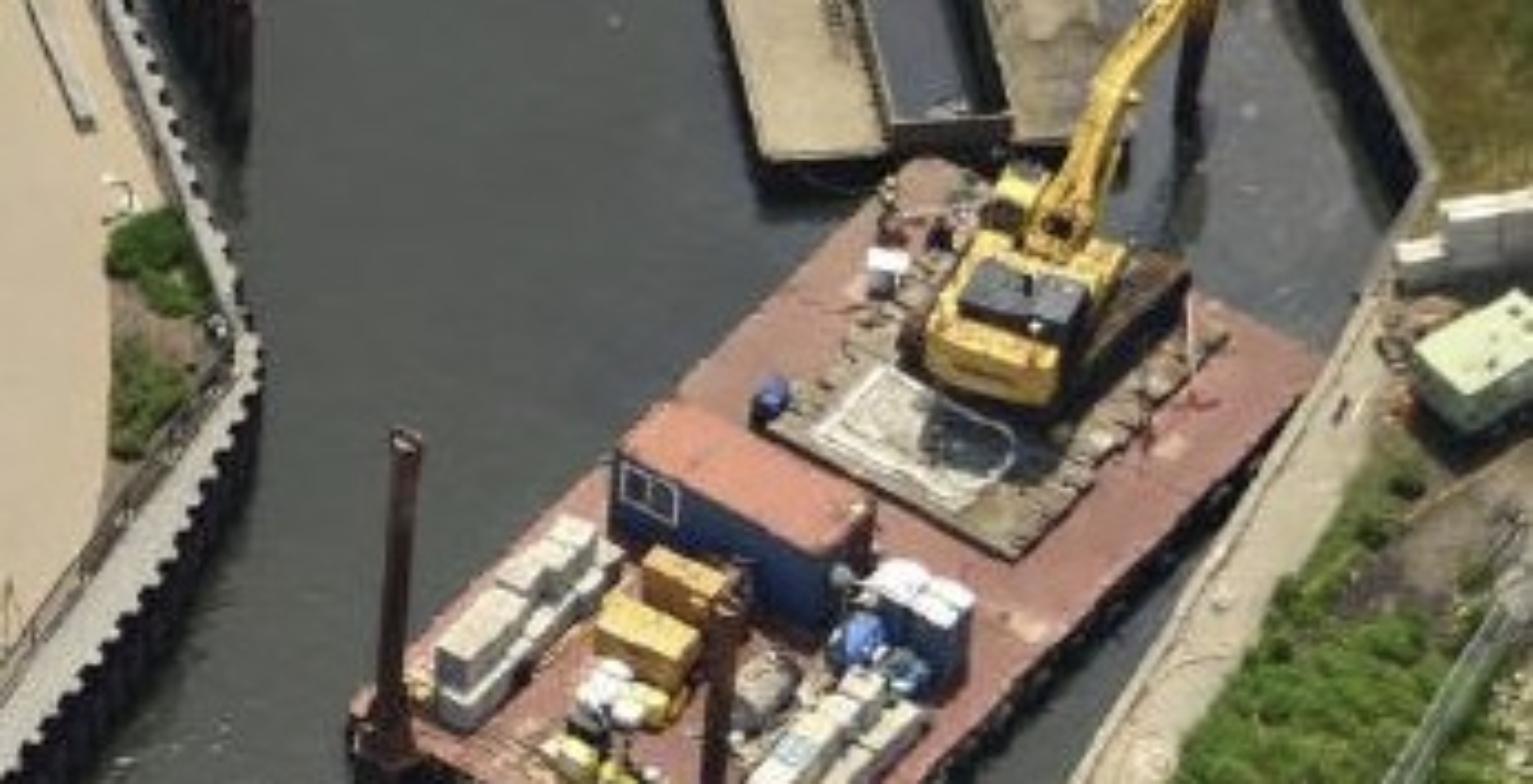
Photo: U.S. EPA
New York
Gowanus Canal Superfund Cleanup
Brooklyn’s Gowanus Canal is one of the country’s most complex urban Superfund cleanups. EPA’s current estimate for the overall cleanup plan exceeds $2 billion, including in-canal remediation and major combined-sewer-overflow controls. The remedy includes dredging contaminated sediment, stabilizing deeper contamination, installing engineered caps and building infrastructure intended to reduce future recontamination.
Why it matters: The canal shows how remediation can become a major infrastructure program in its own right: marine construction, environmental controls and municipal wastewater upgrades are all happening in the same dense urban corridor.
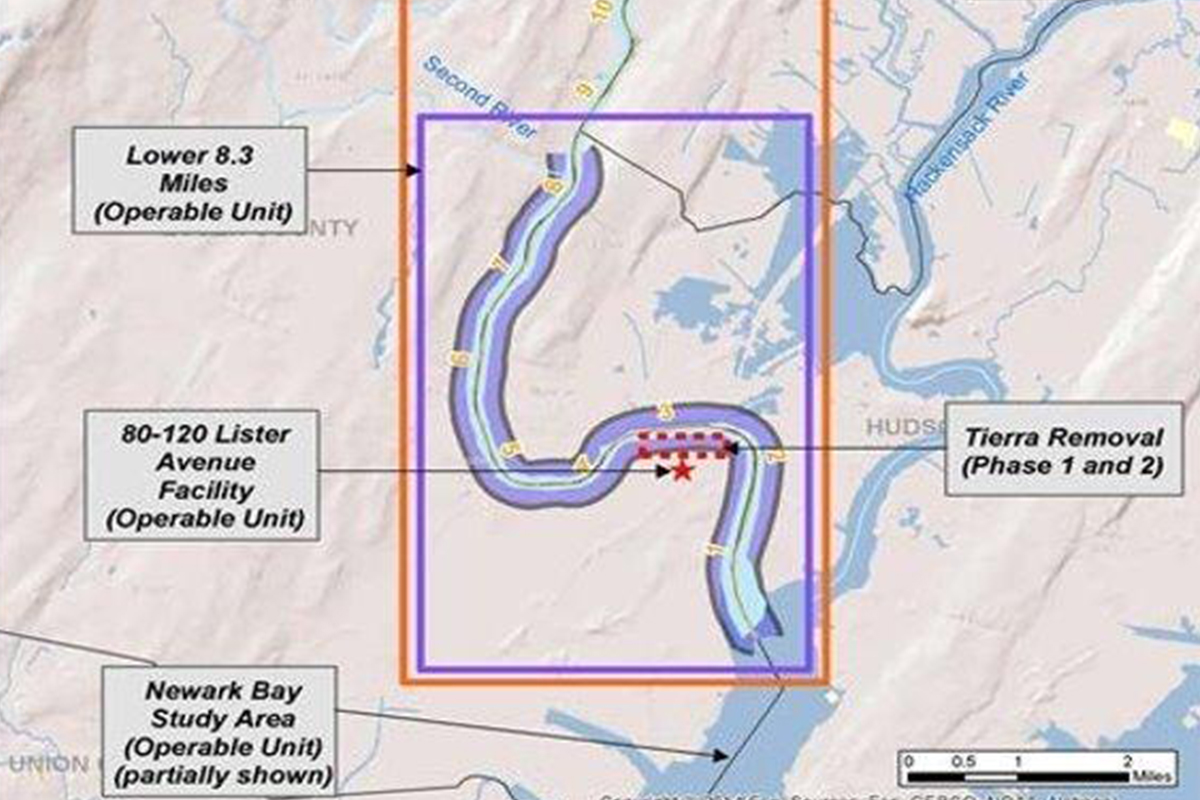
Map: Diamond Alkali Co., Newark, NJ
New Jersey
Lower Passaic River / Diamond Alkali Cleanup
EPA’s selected remedy for the lower 8.3 miles of the Passaic River calls for removing about 3.5 million cubic yards of contaminated sediment, followed by bank-to-bank capping. The selected remedy was estimated at $1.38 billion. The project is moving through engineering and enabling work required before full-scale dredging can proceed.
Why it matters: Once major field construction accelerates, this will be one of the largest contaminated-sediment cleanup efforts in the country.
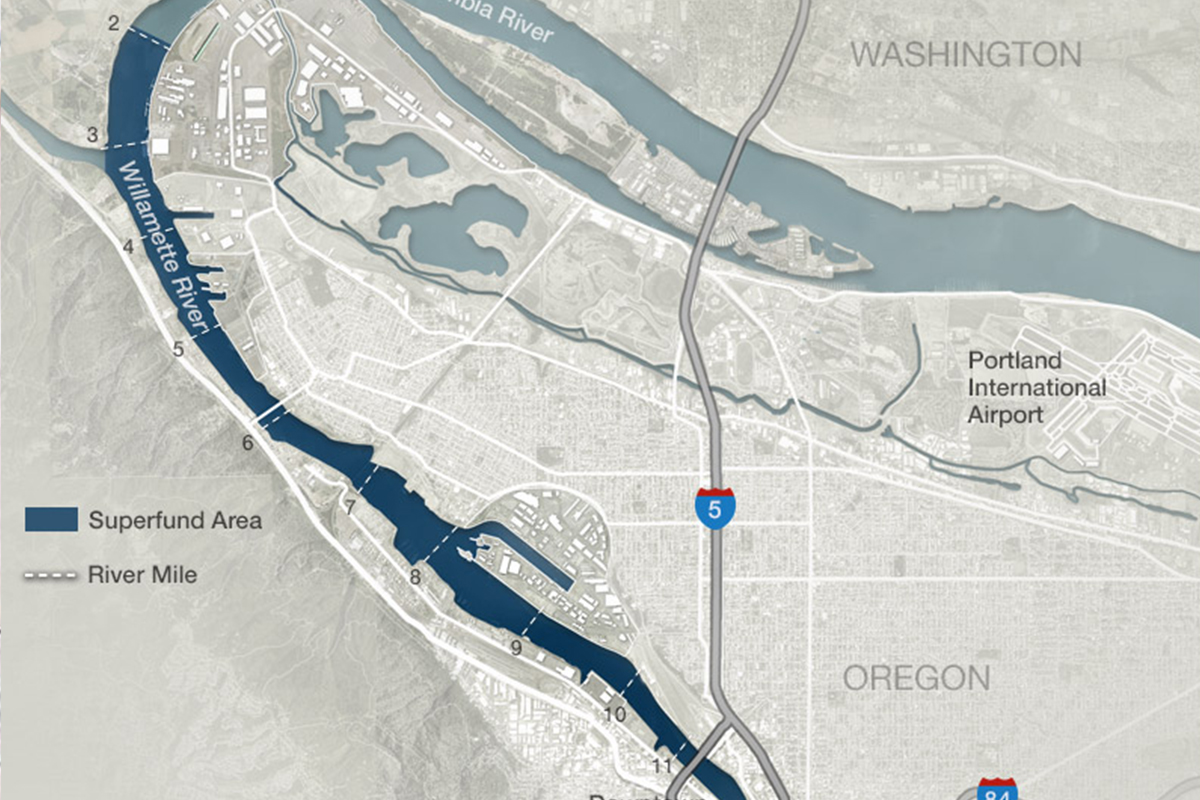
Map: Port of Portland
Oregon
Portland Harbor Superfund Cleanup
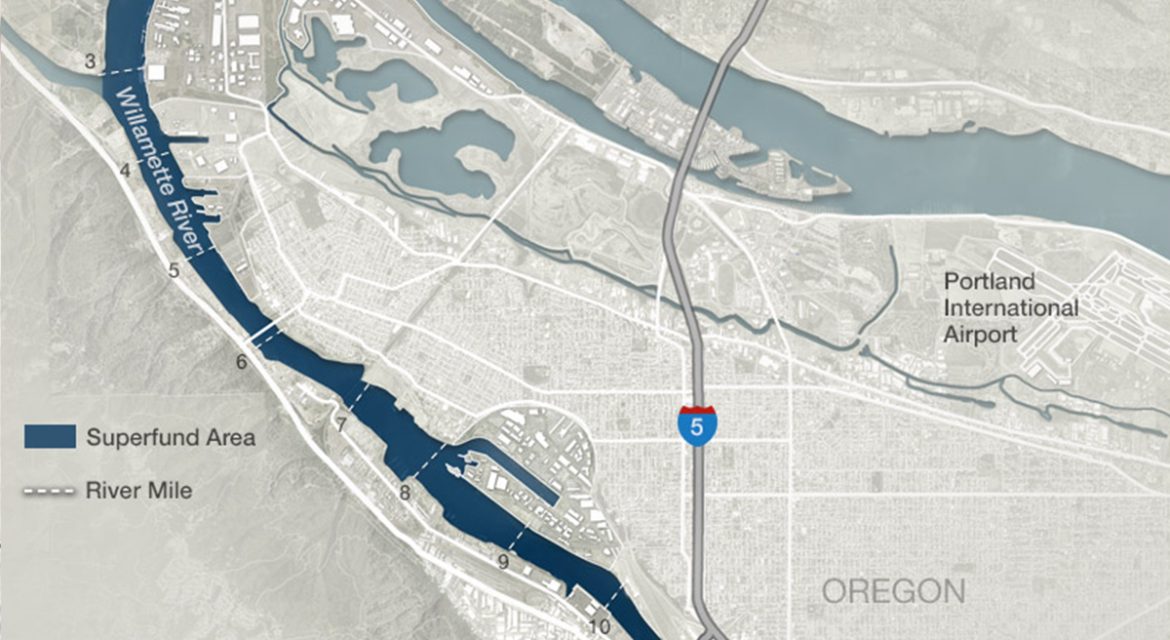
The Portland Harbor Superfund remedy covers roughly 10 miles of the Lower Willamette River. EPA’s selected remedy, estimated at about $1.05 billion, uses dredging, capping, enhanced natural recovery and monitored natural recovery across hundreds of acres of contaminated sediment and riverbank.
Why it matters: The project is especially important to watch now because multiple project areas are moving through remedial design, with major remedial action currently estimated to begin in late 2027 or early 2028.
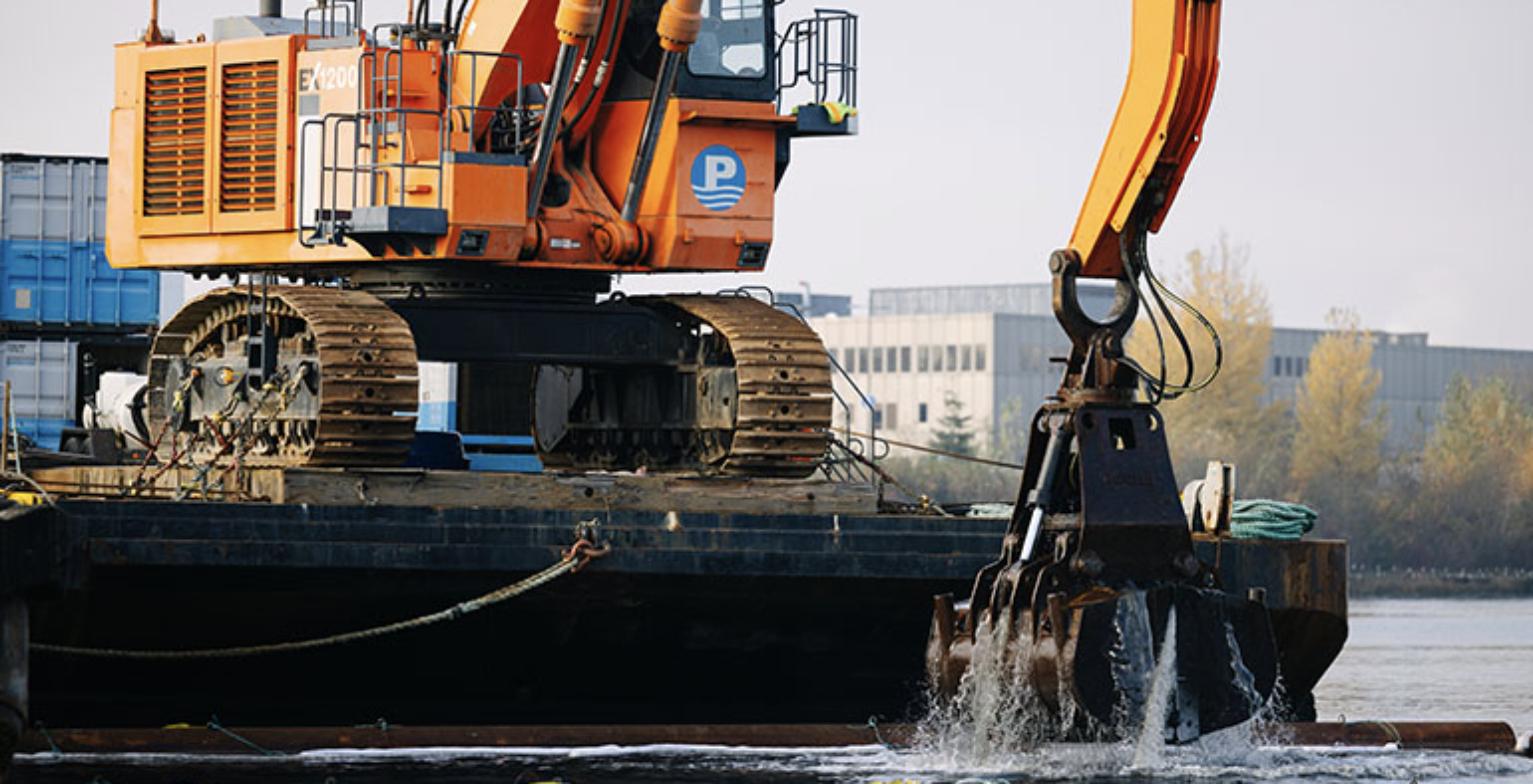
Photo: King County
Washington
Lower Duwamish Waterway Cleanup
In March 2026, EPA, the Department of Justice and Washington state announced a settlement valued at about $668 million for continued cleanup of the Lower Duwamish Waterway in Seattle. The work addresses roughly 177 acres through dredging, capping and other measures, and EPA expects the cleanup to take at least 10 years.
Why it matters: This is not a future-only project. In-water construction began in 2024, making the Duwamish a current example of long-duration remediation inside a major industrial corridor.
Category 02
Flood & Coastal Resilience
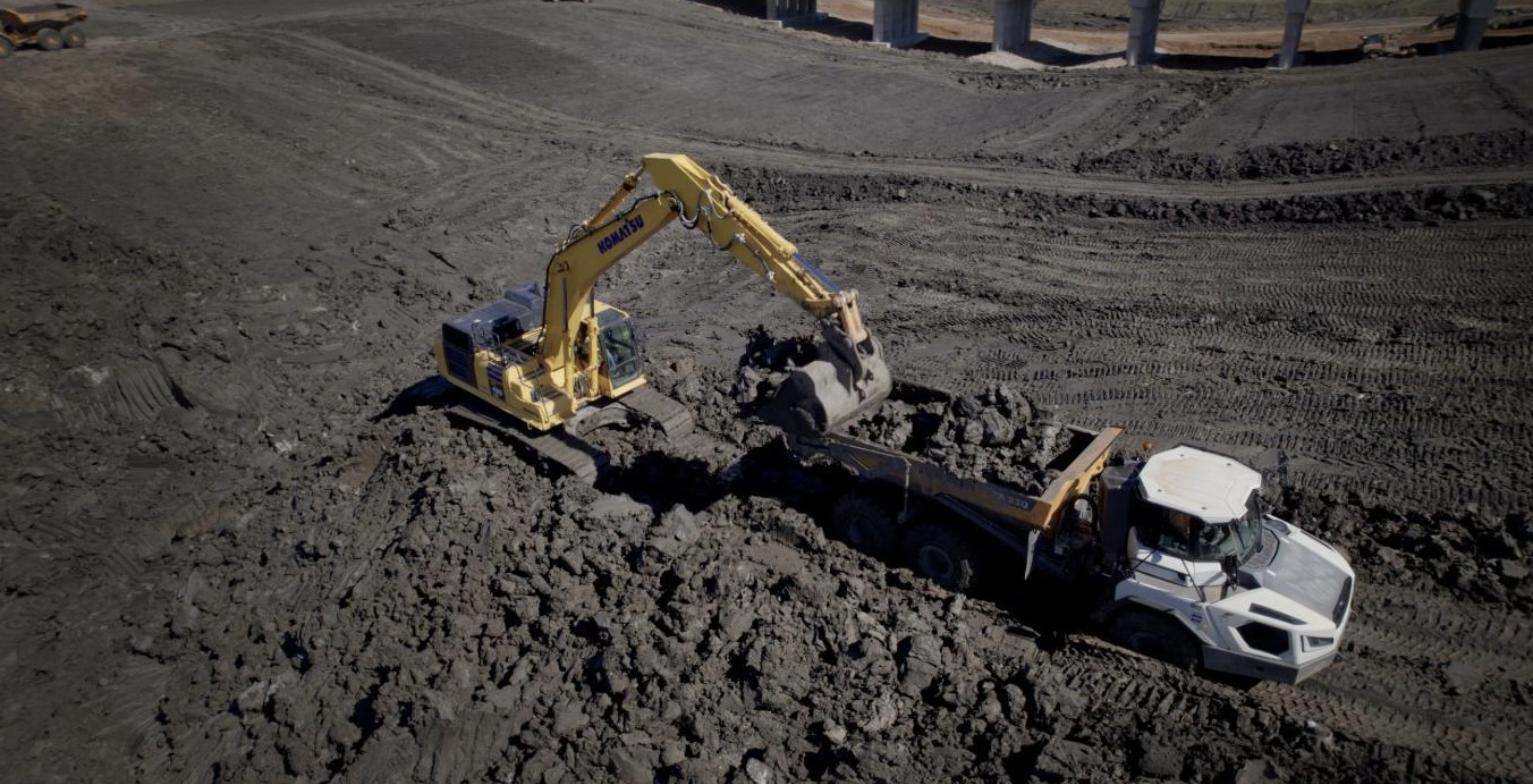
Photo: Metro Flood Diversion Authority
North Dakota / Minnesota
Fargo-Moorhead Area Diversion
The Fargo-Moorhead Area Diversion is a roughly $3.2 billion regional flood-protection system centered on a 30-mile stormwater diversion channel, a 22-mile southern embankment, control structures, bridges and aqueducts. It is designed to protect nearly 260,000 people and about 70 square miles of infrastructure from severe Red River flooding.
Why it matters: By late summer 2026, all 19 channel crossings had reached completion and the Sheyenne River was flowing through its new aqueduct. The system is expected to become operational in 2027.
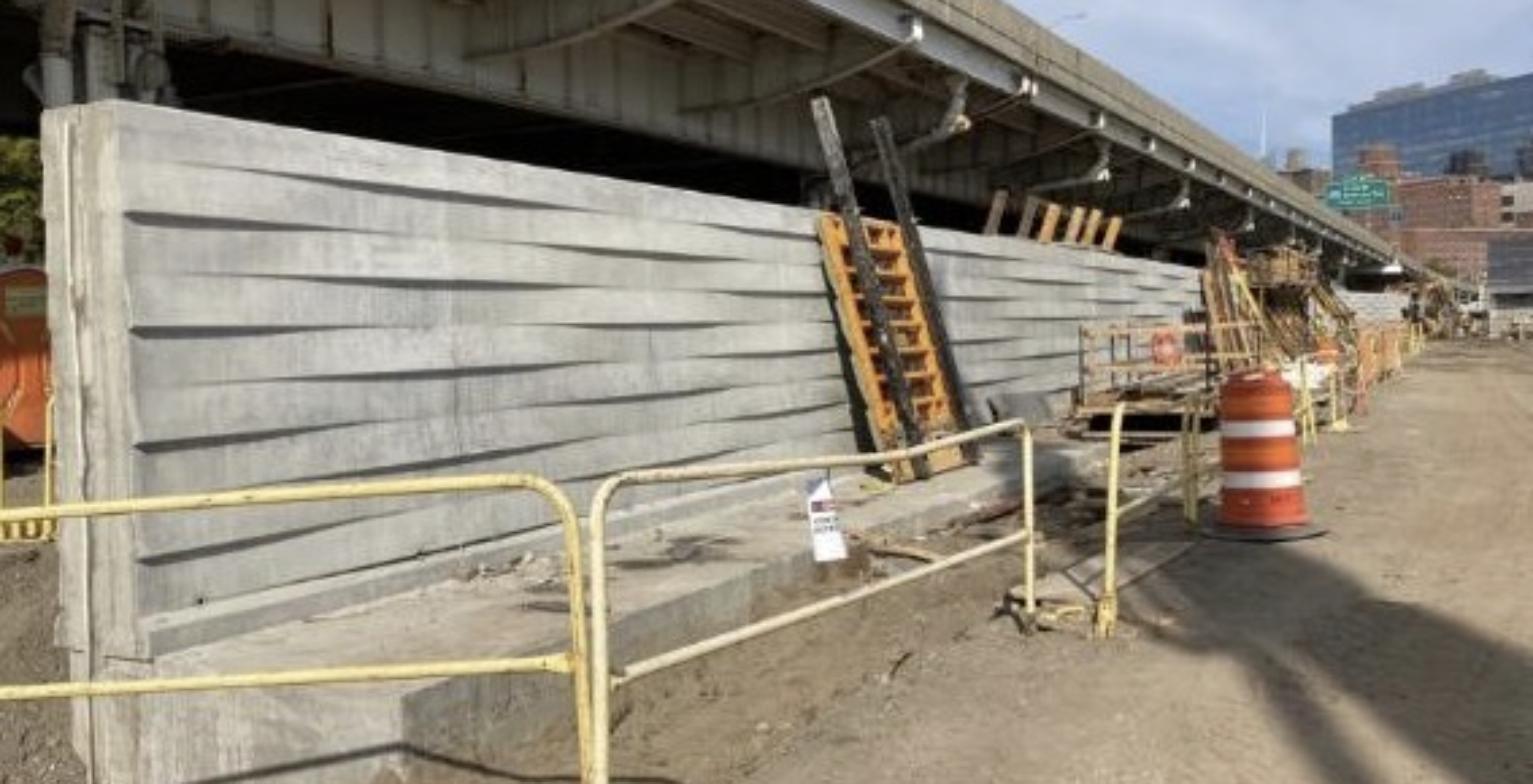
Photo: NYC Department of Design and Construction
New York
East Side Coastal Resiliency
New York City’s $1.45 billion East Side Coastal Resiliency project is creating a continuous flood-protection system along Manhattan’s Lower East Side using raised parkland, floodwalls, berms, movable flood gates and drainage improvements. The city says the project will protect more than 110,000 residents.
Why it matters: ESCR is notable because the flood-defense system is being integrated directly into parks, streets, utilities and public waterfront space rather than built as a stand-alone barrier.
Category 03
Environmental Restoration & Protection
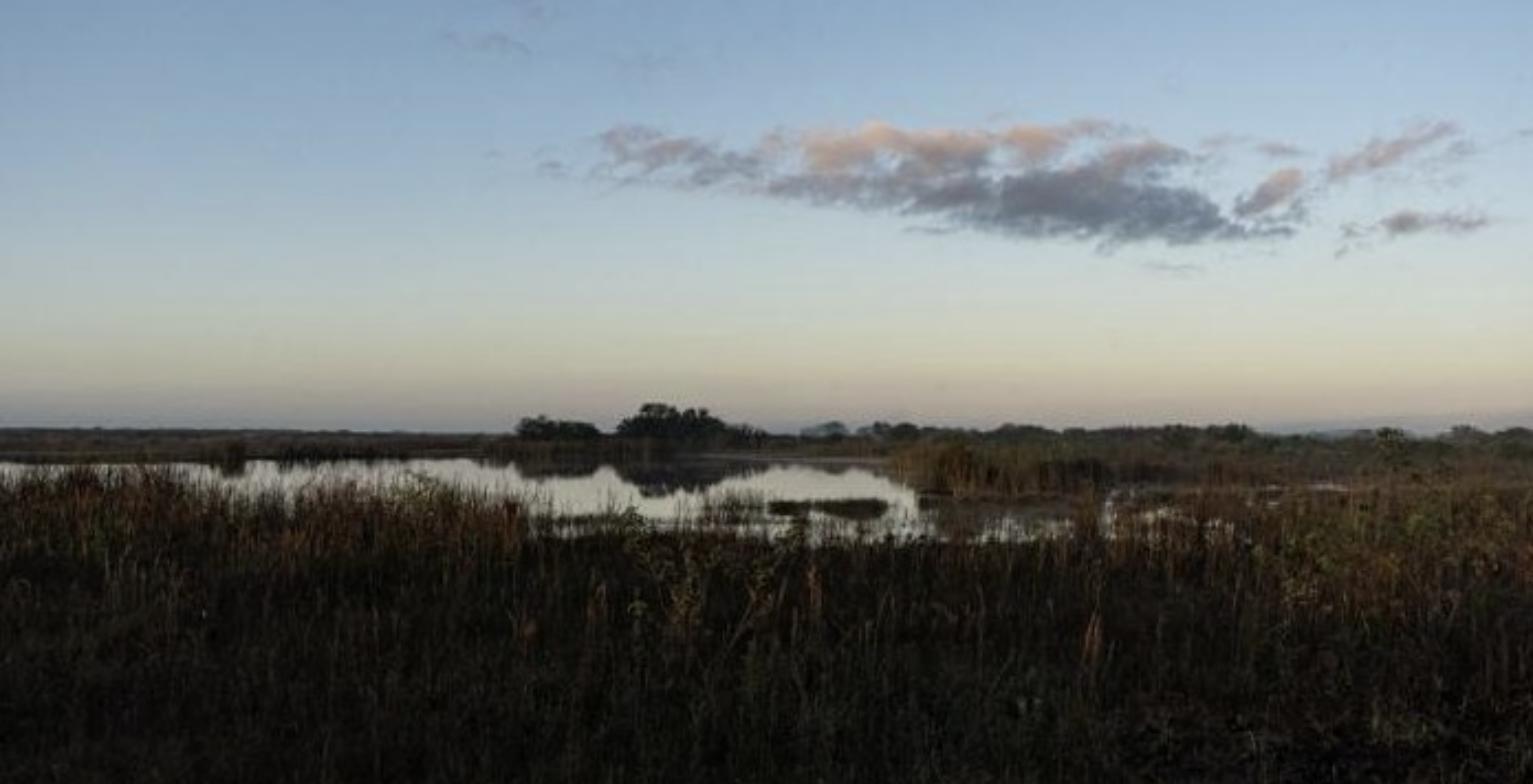
Photo: U.S. Army Corps of Engineers, Jacksonville District / Brigida Sanchez
Florida
Everglades Agricultural Area Reservoir
South of Lake Okeechobee, the Everglades Agricultural Area Reservoir is a centerpiece of the Central Everglades Planning Project. The CEPP EAA phase is estimated at $3.9 billion and includes a massive reservoir, stormwater treatment and conveyance infrastructure designed to store, clean and move more water south through the Everglades system.
Why it matters: The reservoir will cover more than 10,000 acres and hold about 240,000 acre-feet of water. In 2026, USACE announced an accelerated construction target of 2029.
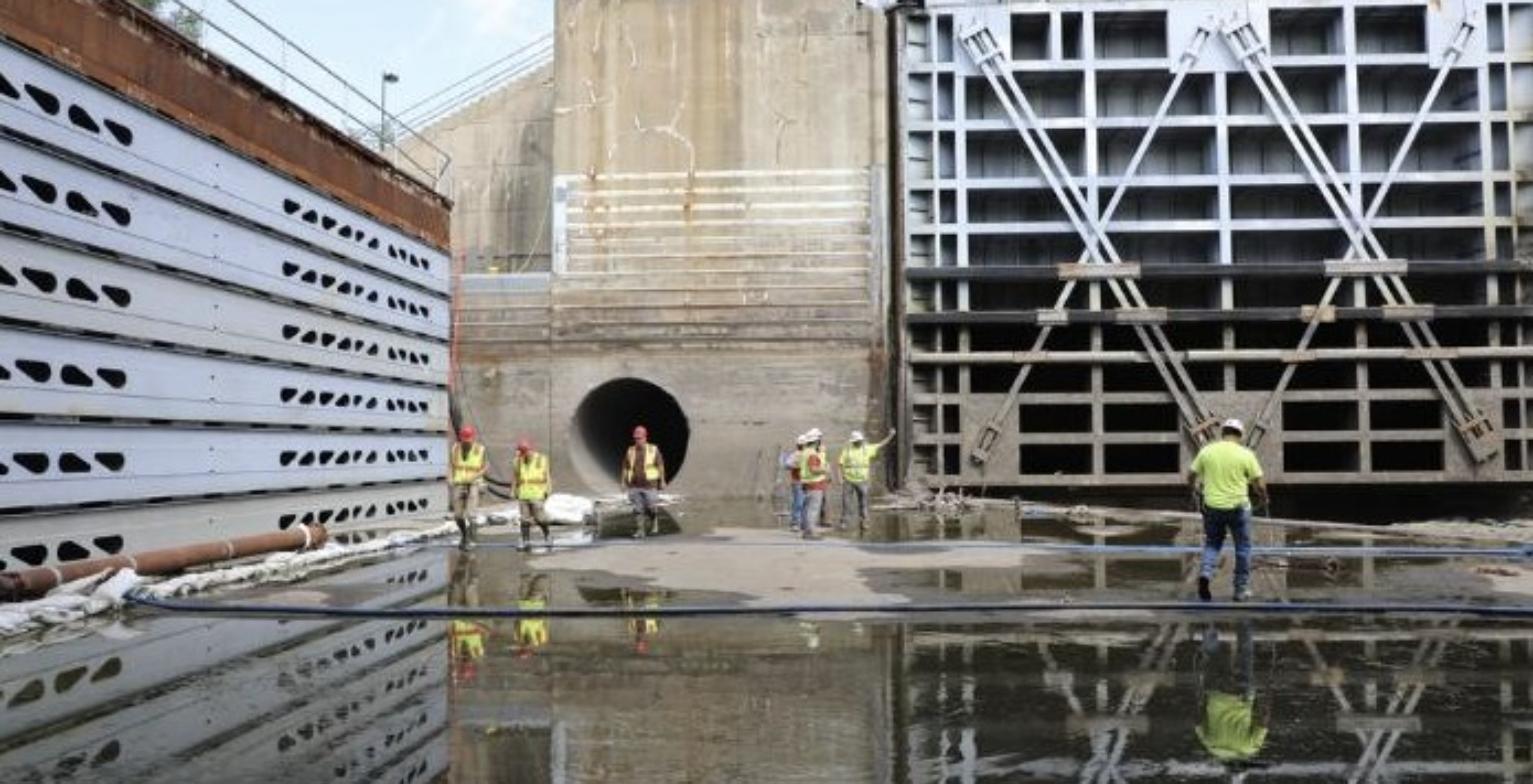
Photo: U.S. Army Corps of Engineers, Rock Island District / Frances Candelaria
Illinois
Brandon Road Interbasin Project
The $1.15 billion Brandon Road Interbasin Project near Joliet is being built to reduce the risk of invasive carp and other aquatic nuisance species moving from the Illinois Waterway into the Great Lakes. The project uses layered deterrent technologies and major modifications around the Brandon Road Lock and Dam approach channel.
Why it matters: USACE moved the project into construction after the 2024 partnership agreement, and in 2026 awarded a $113.8 million contract to complete the remainder of Increment I, along with a major engineering-services contract supporting later phases.
Category 04
Critical Water Infrastructure
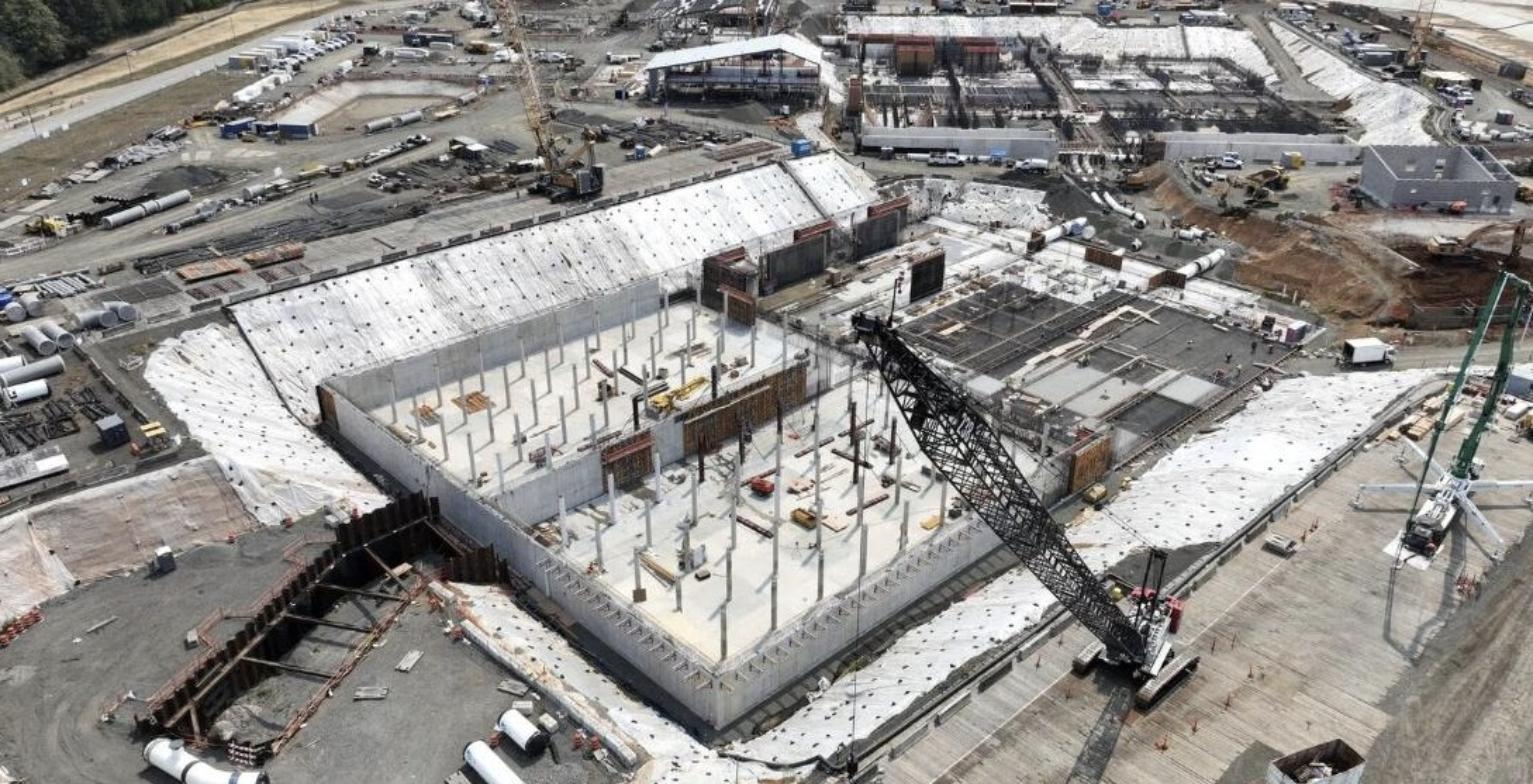
Photo: Portland Water Bureau
Oregon
Bull Run Filtration Project
Portland’s Bull Run Filtration Project is a $2.46 billion drinking-water project that includes a new filtration facility and resilient pipelines connecting it to the city’s water system. The project is intended to meet drinking-water treatment requirements while strengthening resilience to wildfire, earthquakes and other disruptions.
Why it matters: Portland’s current schedule targets filtered water delivery in 2029. The project is one of the largest municipal water-treatment investments underway in the country.
What These Projects Have in Common
At first glance, a nuclear cleanup site, an Everglades reservoir, a Brooklyn Superfund canal and a North Dakota flood diversion may not seem to belong in the same story. Operationally, they do.
These are long-duration programs involving public owners, regulators, engineers, construction firms, environmental specialists, subcontractors and suppliers. They require years of procurement, reporting, documentation, field coordination and contract management — often across multiple work packages and project phases.
That creates an important second story: how prime contractors and project teams use small-business participation requirements and subcontracting goals as part of major public work. Those requirements vary by agency, funding source, certification and contract, but on projects of this size the dollars can be significant. We will examine that side of the market in a follow-up article on making SBE participation spend deliver real project value.
About Nimble Managed Services
Nimble is your proven reliable, government certified, small business set-aside (SBSA) partner. Acting as an extension of your team, Nimble provides high-level reporting and consulting solutions. We are your single source for construction managed services for: Construction Equipment, Site Services, Advanced Technologies.
Certifications:
WOSB | EDWOSB | HUBZone | SDB | DBE (All 50 States) | SBE (All 50 States) | WBE | SB (CA) | SEED (SMUD)
Research Sources
- Hanford Site lifecycle estimate — Hanford Advisory Board, Feb. 19, 2026. Source
- Everglades EAA cost and scale — U.S. Army Corps of Engineers, Aug. 2025. Source
- Everglades EAA 2029 target — U.S. Army Corps of Engineers, Apr. 13, 2026. Source
- Fargo-Moorhead cost — Metro Flood Diversion Authority, May 1, 2026. Source
- Fargo-Moorhead construction status — Metro Flood Diversion Authority, Sept. 7, 2026. Source
- Bull Run cost — Portland Water Bureau, current 2026 project page. Source
- Gowanus cleanup estimate — U.S. EPA, July 1, 2024 update. Source
- East Side Coastal Resiliency cost — City of New York, current FAQ. Source
- East Side Coastal Resiliency 2027 target — NYC Mayor’s Office, July 2026. Source
- Lower Passaic selected remedy — U.S. EPA. Source
- Brandon Road cost and status — U.S. Army Corps of Engineers, Apr. 13, 2026. Source
- Portland Harbor selected remedy — U.S. EPA, current site profile. Source
- Portland Harbor schedule — U.S. EPA, current site schedule. Source
- Lower Duwamish settlement — U.S. EPA, Mar. 4, 2026. Source